Tuesday, 14 April 2020

Not a dune in sight

This is a year for butterflies and dragonflies they are flitting around all day some fats moving others just seem to float with just the occasional flutter of wings.

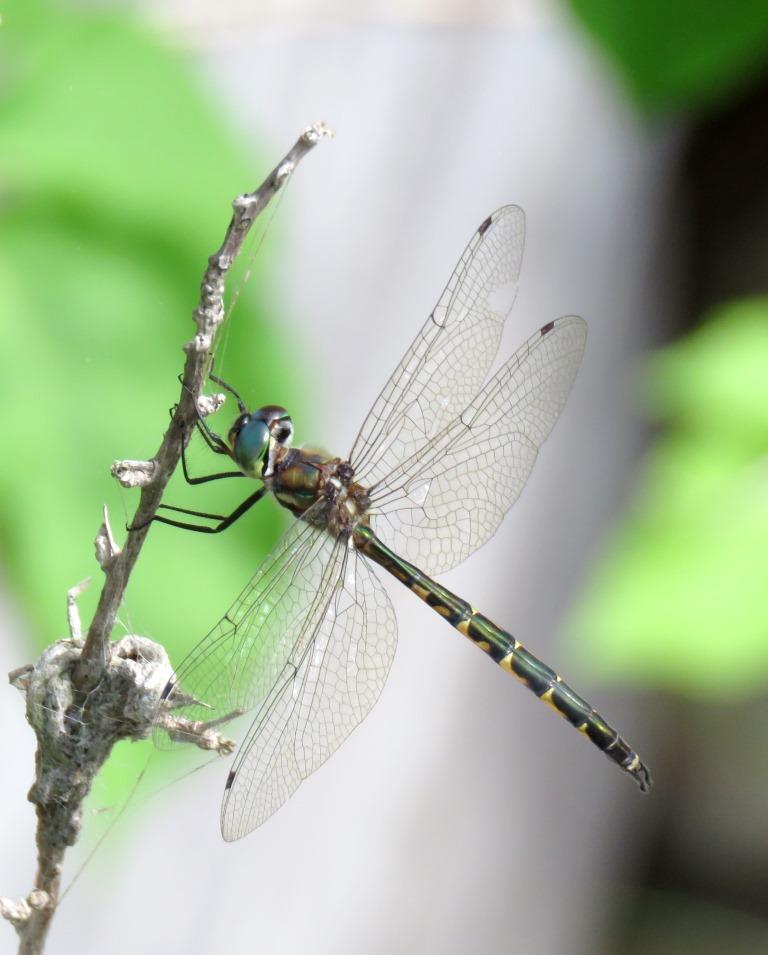
One very striking dragonfly species that I have not seen before is quite accommodating for photos as it keeps on coming back to the same spot after a short flight. I took a some photos a couple of days ago and was going to post them but couldn't identify the species. I posted on another blog (iNaturalist.org) where there are lots of observers that will usually give you the correct Id and I did get the answer. The following day I manage to get better photos of the Dune Glider Tramea eurybia.


This species if found mainly to the north of Australia in the Andaman Islands, Sumatra, Sulawesi, New Guinea and Fiji. In Australia it is normally found around the dune lakes of Eastern Australia
 

Saturday, 11 April 2020

Dainty or Dingy

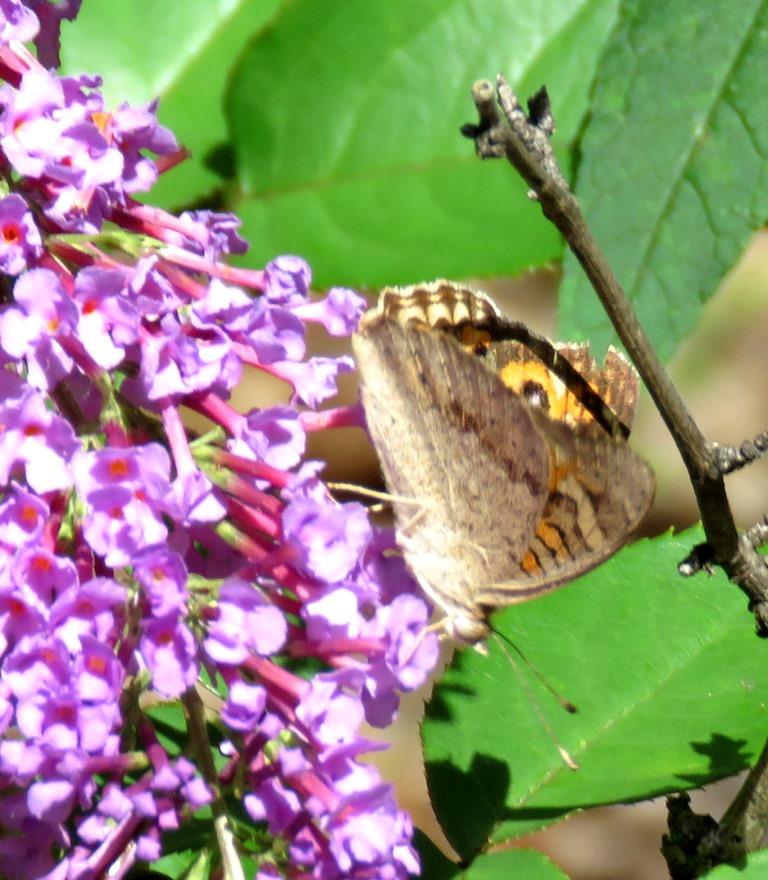
Lots of butterflies still around and today managed to get a photo of one that I see at times but it is not as common as its relative, the Orchard Butterfly.


Looking up references for this species I found two common names one seems appropriate, "Dainty Swallowtail"  and I couldn't work out how the other fitted "Little Dingy Swallowtail" given the beautiful colours and markings. It is a member of the PAPILIONIDAE family species named  Papilio anactus and it is found throughout Australia where the caterpillars feed on native citrus, finger limes, desert limes, wild orange as well as cultivated citrus.
Like their large relative they are not a problem in the orchard other than on young plants but I just move them to a larger tree.

Wednesday, 1 April 2020

Not a jewel or a fruit

Today's wander around the garden and a couple of insects with colour in their name.


First a dragonfly named for the bright colour of the eyes and some markings although the photo doesn't capture the full brightness. The Australian Emerald Dragonfly Hemicordulia australiae is one of the larger dragonflies and spend most of the time in the air hunting prey.
The eye colour gets brighter as the dragonfly matures and also varys depending on the angle of the reflection of sunlight.

Second is the female Orange Palm Dart ( photos of the male posted previously)


Very different colouring compared to the male but an attractive combination.

Sunday, 29 March 2020

Butterfly bush and butterflies

Back from a holiday in New Zealand and now in home isolation for a couple of weeks, which for us is not a hardship as there are plenty of things to do around the property. It also gives me plenty of time to observe the wildlife, which I am pleased to say has started to come back since the drought has broken and we have now had rainfall in the three months above the total for all or 2019.
Working in the garden I noticed that the Butterfly Bush  Buddleja davidii has recovered somewhat and the flowers were attracting butterflies, took a break, got the camera and shot a few photos.


Caper White (male)


Caper White (female)
Caper Whites Anaphaeis java teutonia are wide spread thoughout mainland Australia with migratory flights between many areas as the larval food plants tend to be found in the northern regions. 


Meadow Argus   

Meadow Argus Junonia villida sub species calybe is a quite  commonly seen butterfly and found throughout Australia where the larvae feed on a wide range of both native and exotic plants.


Orange Dart (male)
 The Orange Dart Cephrenes augiades sperthias range through coastal Australia, Indonesia through to the Solomon Islands. If you are growing palms in your garden they can be a bit of a pest, as the larvae chew their way through palm fronds on species such as Bangalow, Cabbage Tree and Kentia.


Although not on the Buddleja this Black and White Tiger  Danaus affinis affinis landed for a short rest almost at my feet as I was taking the photos. This species is generally found further north and we are at the southern edge of where they are often seen although there are sighting as far south as Sydney..An attraction to our area is likely due to significant locations of the food plant that the larvae feed on    Ischnostemma carnosum 
 a trailing plant which grows on the margins of salt creeks and swamps.

Sunday, 23 February 2020

Bee-eater catches skipper

A flock of Rainbow Bee-eaters has been in the area and their distinctive twittering calls announce their arrival around the house. Today, late in the afternoon I counted ten individuals on our powerline that provided an ideal perch to swoop on any flying insects.

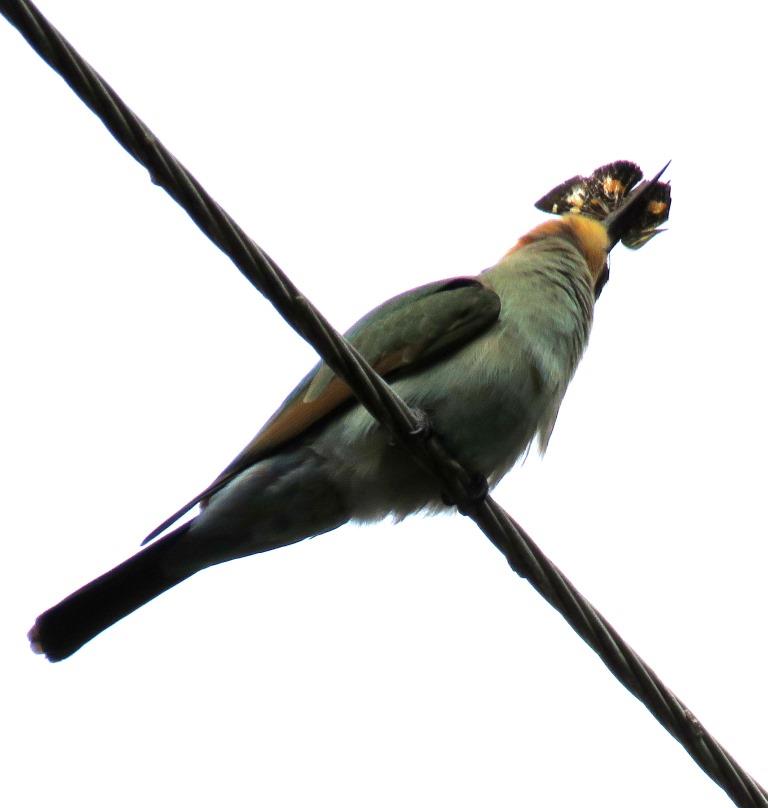
 None of the birds had the long streamer feather of the adult male so I guess they are juveniles and females. I watched them dive after insects and then come back to the wire where they manipulated the prey in a position to swallow. Most took a short time but one came back with a butterfly in its beak and it took a bit of time to get it into the right position, so I managed a couple of photos.


The markings on the butterfly wings indicate a Skipper species and my best guess is  
"iacchoides skipper" Trapezites iacchoides although there are a couple of the skippers that are very similar.
Rainbow Bee-eaters really live up to their name and are among the most colourful of birds.