Tuesday, 1 June 2021

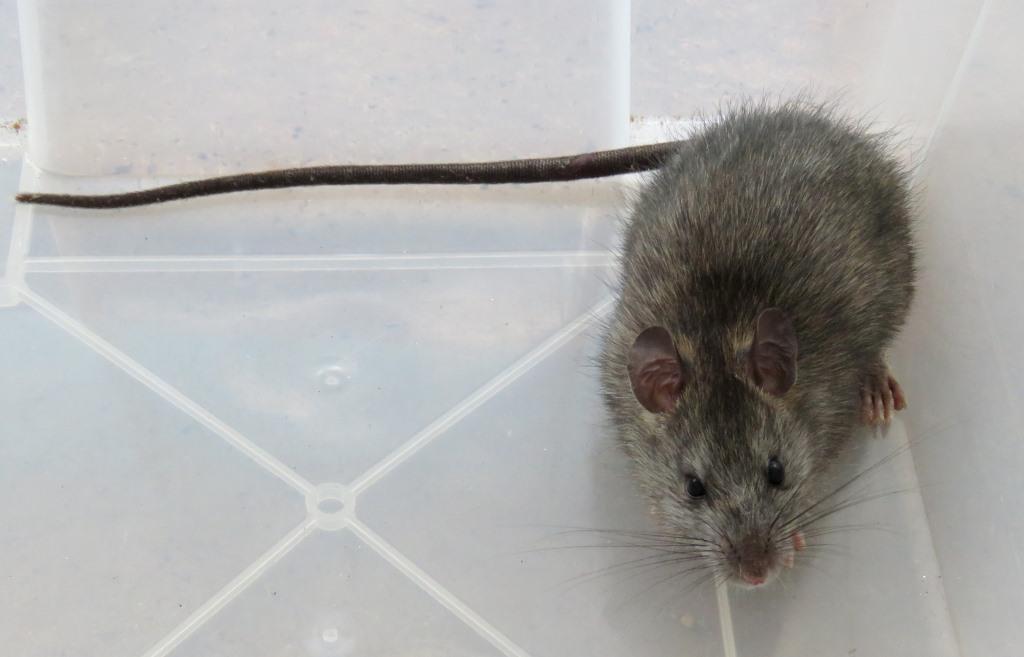
Unwelcome Visitor

We have been having some visits from as couple of our native critters, Bush rats and Antechinus that like to get into the house and find things to nibble or a nice spot to make a nest. However last night we had a visit from an introduced critter that has become quite widespread in Australia since arriving as a stowaway on ships probably as far back as the First Fleet, a Black Rat Ratus ratus.


Friday, 2 April 2021

Eyes on this moth

 A couple of days ago I found a moth that was new to me and did some searching to get the identity and I was quite sure that it was in the Anthelidae family which was correct but I punted on the Montane Anthelid. However after posting on the iNaturalist site I was soon corrected that it was in fact the Eye Spot Anthelid Anthela ocellata.

This moth's larvae feed on grasses and it is widespread through Australia.


Thursday, 18 March 2021

Noisy Miner from my desk

As I work at my desk my outlook through the window is of part of our garden and one shrub that is a magnet for birds is the Grevillea "Honey Gem", which is one of the popular grevillea cultivars often accused of causing an influx of large honeyeaters that displace smaller birds. This maybe true when it is mass planted but as part of our diverse plant selection we have large and small birds visiting every day.

One native bird that gets a lot of bad publicity is the Noisy Miner Manorina melanophyrs as they gather in large flocks and are very aggressive to other birds in their habitat. However they generally like tall woodland areas with sparse understorey.and as most of our property does not meet that requirement the Noisy Miners they are not  regular visitors and do not cause problems.


There are four Australian Miner species included in the honeyeater family and the Noisy Miner ranges along the east coast and  great dividing range.

Friday, 12 February 2021

Dragonfly season

The wet summer has brought the insects out in large numbers and it is hunt and be hunted from the small flies to dragonflies and cicadas.

The dragonflies are very busy hunting, particularly in the morning where they are flitting to and fro catching any flying insect that takes their fancy. They are also being hunted as needle-tail swifts swoop down at speed twisting and turning to take the dragonflies on the wing.

Lots of different dragonflies and yesterday took some photos of ones that I haven't posted before.

Blue Skimmer (m) Orlhetrum caledonicum

Blue Skimmer (f)

 
Wandering Percher Ocplacodes bipunctata


Saturday, 9 January 2021

Young hawk hunts more than sparrows

Recently we have seen a pair of hawks around the property, rapidly flying through the treetops on the hunt trying to scare birds to take flight to enable a strike.

Yesterday late afternoon I heard one calling and I found both birds were in the trees near the house but only one was on a branch in a clear area preening for a photo.


 It was catching the last of the sun and stayed for some time until its mate flew and then it followed. 

They are quite small hawks and I was not sure of the identification as there are a couple that are quite similar particularly in their young plumage.

On checking in my field guide it showed the distinctive feature, a tail with indented square shape and plumage that identified it as a young Collared Sparrowhawk Accipiter cirrhocephalus where as the similar Brown Goshawk has a rounded tail end.


 Today I heard them again calling nearby and found one had landed on a branch to feed on a bird that it had caught.


 It managed to get in a few bites before its mate came to get in on the feed but it was not going to share and took flight.

Collared Sparrowhawks are widely distributed through Australia in varied habitat.